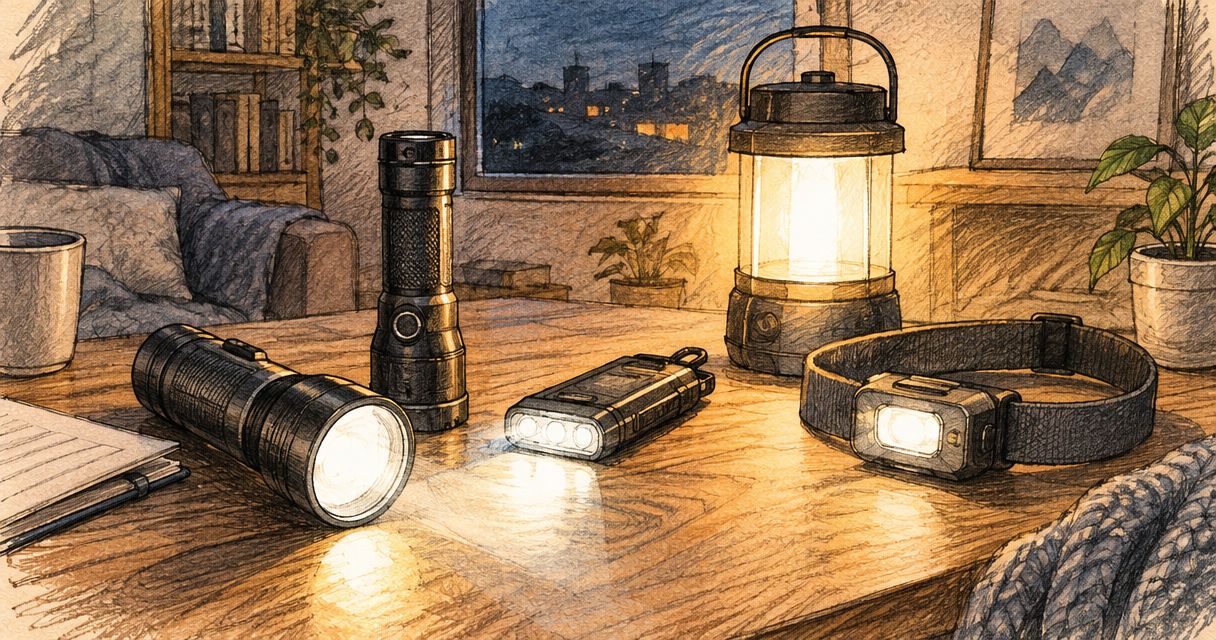
Best overall format: a rechargeable handheld torch. Best for hands-free tasks: a headlamp. Best for shared-room lighting: a camping lantern. Choose your load shedding flashlight for the job it must do, not its highest brightness setting; this 2026 guide explains the trade-offs before you browse TorchSA.
- For load shedding flashlight shoppers, TorchSA recommends choosing the lighting format before comparing brightness.
- A rechargeable handheld torch is the default for moving around your home and checking outside.
- A headlamp suits hands-free tasks; a camping lantern suits shared-room lighting.
- Compare runtime at your intended setting, charging requirements and controls before choosing a rechargeable torch.
Why this matters
A torch that helps you check the gate is not automatically comfortable for reading or preparing supper. A narrow beam puts light on a particular spot, while a lantern spreads it around the people nearby. Neither replaces the other perfectly.
For TorchSA load shedding flashlight shoppers, a rechargeable handheld torch is the default for moving around the home. Choose a headlamp instead when keeping both hands free is the main requirement, or a lantern when several people need light in one place.
For your 2026 household backup plan, separate lighting from the reason the power is off. Choose equipment around the tasks you need to complete and how you will recharge afterwards, rather than assuming any particular outage schedule.
What makes the best load shedding flashlight?
Use these criteria before comparing brightness claims. The right balance depends on whether you are walking, working or sitting together.
- Useful runtime: Compare runtime at the output you expect to use, not at an unrelated low setting. Allow for the light staying on longer than planned.
- Beam pattern: A broad beam suits nearby household tasks. A concentrated beam suits checking a specific point farther away, but demands more careful aiming indoors.
- Charging arrangements: Check the charging connection, required cable and power source. Confirm whether any charging accessory is included rather than assuming it is.
- Low-output control: A usable low setting helps with close work and limits unnecessary glare. Check how you reach that setting from off.
- Handling and placement: Consider grip, switch access, headband adjustment or a stable base, depending on the format. Features belong to individual models, not every product in a category.
- Battery information: Read the specified battery type and replacement instructions. Rechargeable does not automatically mean the battery is removable or user-replaceable.
For a 2026 buying decision, these checks matter more than selecting the largest lumen figure in a list. Lumens describe light output; they do not tell you whether the beam, controls or charging method suit your home.
Load shedding lighting formats at a glance
| Format | Best for | Standout practical benefit | Key limitation |
|---|---|---|---|
| Rechargeable handheld torch | Moving around the home | You can direct the beam exactly where you need it | Occupies a hand unless the model supports another mounting method |
| Headlamp | Cooking, repairs and other hands-free tasks | Light follows your head while your hands remain free | Can shine into another person's eyes when you turn towards them |
| Camping lantern | Shared-room lighting | Illuminates the surrounding area without someone holding it | Less suitable for inspecting a particular distant spot |
These are format recommendations, not claims that every model has the same features. Check each product's instructions and specifications before treating it as suitable for your intended task.
1. Rechargeable handheld torch: best for moving around the home
A rechargeable handheld torch gives you directional light for walking between rooms, finding something in a cupboard or checking an outdoor area. You control where the beam lands without having to turn your head towards the target.
For general household use, look for a beam that lights the space immediately ahead without forcing you to keep sweeping a small bright spot across the floor. An intense central spot has a purpose outdoors, but nearby spill light matters when you need to see steps and obstacles.
Rechargeable handheld torch pros:
- Lets you aim independently of where you are looking.
- Suits short checks as well as movement between rooms.
- Can serve indoor and outdoor tasks when its beam and protection ratings match those uses.
- Avoids routine disposable-battery purchases when you follow its charging requirements.
Rechargeable handheld torch cons:
- Takes up a hand during use.
- Needs a workable charging routine between uses.
- Does not automatically provide comfortable light for everyone in a room.
Best for: You need one portable light for walking, finding items and checking particular places.
Before choosing, work through the switch sequence. Can you reach a modest output without cycling through an unwanted flashing mode? Does the torch return to its last setting? Those answers depend on the model and affect everyday convenience more than a headline maximum output.
Verdict: Buy this format first for mobile household use; choose another format first if your main task requires both hands.
2. Headlamp: best for hands-free household tasks
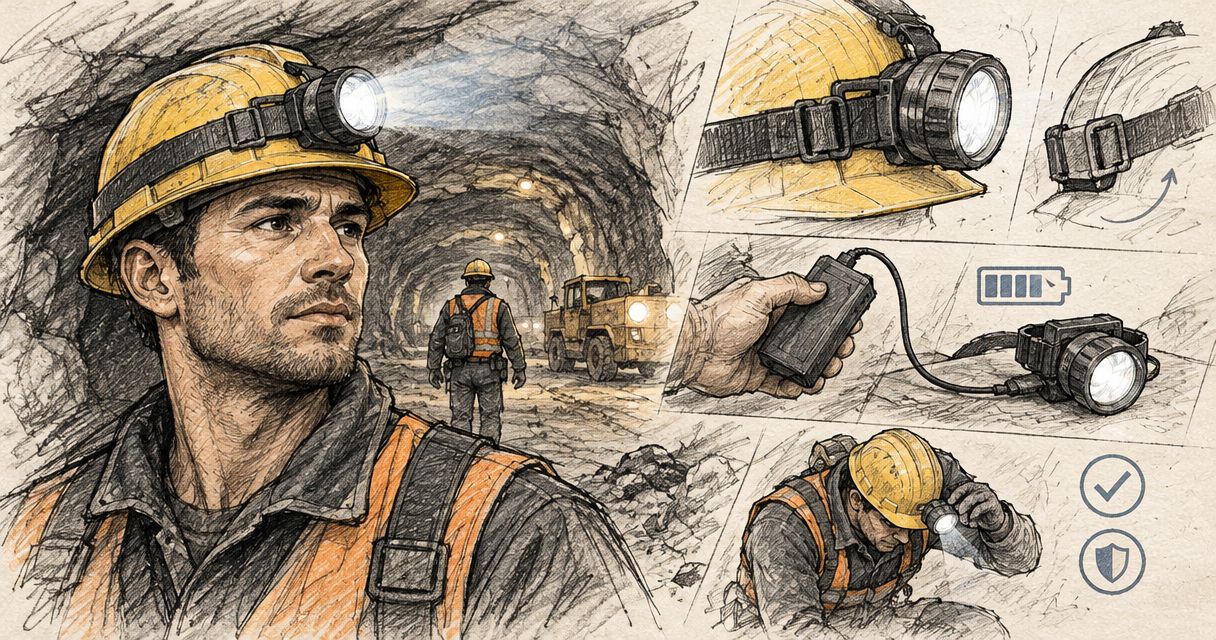
A headlamp puts the light on your head so you can carry groceries, prepare food or handle tools without holding a torch. It is the strongest format choice when the task itself needs both hands.
Pay attention to beam width and low-output control. Close work needs enough light to see clearly, but an intense beam reflecting from a nearby pale surface can be uncomfortable. Headband fit also matters because a light that shifts during use needs repeated adjustment.
Headlamp pros:
- Leaves both hands available for the task.
- Keeps light directed towards the area you are facing.
- Moves with you without needing a separate place to stand a lamp.
- Suits work in cupboards and other places where positioning a lantern is awkward.
Headlamp cons:
- Can dazzle people when you look towards them.
- Requires a comfortable, secure fit.
- Does not replace shared-room lighting for people outside its beam.
Best for: You spend outages cooking, sorting equipment or doing close tasks rather than simply moving between rooms.
Check the battery arrangement as carefully as you would on a handheld torch. A headlamp can use an integrated rechargeable battery, a removable rechargeable battery or another specified battery type; the format alone tells you none of those details.
If you wear glasses, consider how the lamp sits and how you operate it without disturbing the frames. Test the controls before relying on it in darkness, and point the beam down when speaking to someone nearby.
Verdict: Buy this format for hands-free work; skip it as your only shared-room light.
3. Camping lantern: best for shared-room lighting
A camping lantern spreads light around a nearby area rather than concentrating it on a single target. It suits a table, a shared sitting area or another place where people remain together during an outage.
Placement changes the experience. A bright light directly at eye level can be distracting, while a poorly positioned lantern can leave your own hands casting shadows over the task. Check the base, handle and permitted hanging arrangements on the particular model.
Camping lantern pros:
- Provides light without someone holding it.
- Lets several people use the surrounding illuminated area.
- Suits settled activities better than repeatedly redirecting a handheld beam.
- Can complement a torch when one person leaves the room.
Camping lantern cons:
- Is less suited to inspecting a specific distant point.
- Depends on a suitable standing or hanging position.
- Can create glare if its light source is exposed and positioned poorly.
Best for: You want light around a shared table or seating area while people remain in the same room.
Do not assume every lantern doubles as a power bank, tolerates rain or operates while charging. Those are separate features that need explicit confirmation. The same applies to removable batteries and charging connections.
Choose the placement before choosing the lantern. A product that needs a hanging point is not the right match if your intended room has nowhere suitable to hang it safely.
Verdict: Buy this format for shared-room use; skip it as the sole light for checking outside.
How the formats are ranked
This 2026 guide ranks lighting formats by their fit for household tasks: moving around, working hands-free and sharing light. Beam control, usable runtime, charging arrangements and placement determine the recommendation.
The rechargeable handheld torch is the default because this guide prioritises portable, directional household light. That does not make it the winner for cooking or sitting around a table. Change the task and the best format changes.
TorchSA sells rechargeable torches, headlamps and camping lanterns, so the useful starting point is the format you need. Compare individual models only after deciding which job comes first.
Turn runtime claims into a household requirement
Start with the time you want the light to cover, then check the manufacturer's runtime information at a relevant output. Do not treat maximum brightness and maximum runtime as though they necessarily describe the same operating mode.
For example, if you want light for 2 hours, look for runtime information covering that period at a useful setting. If your planning allowance is 4 hours, use that longer requirement instead. These are examples for setting your own requirement, not performance claims about a particular torch.
Charging deserves the same attention. If your routine leaves only 1 hour connected to power, check whether the stated charging instructions fit that window; do not assume a brief charge restores a full battery.
Separate these questions:
- Operating time: How long does the specified mode run?
- Output behaviour: Does the documentation explain changes in brightness during use?
- Recharge time: How long does the stated charging method take?
- Replacement options: What does the manufacturer permit when the battery needs replacing?
For removable cells, match the exact requirements rather than buying by appearance alone. The guide to 18650 batteries for flashlights in South Africa provides a relevant next read when your chosen torch specifies that battery format.
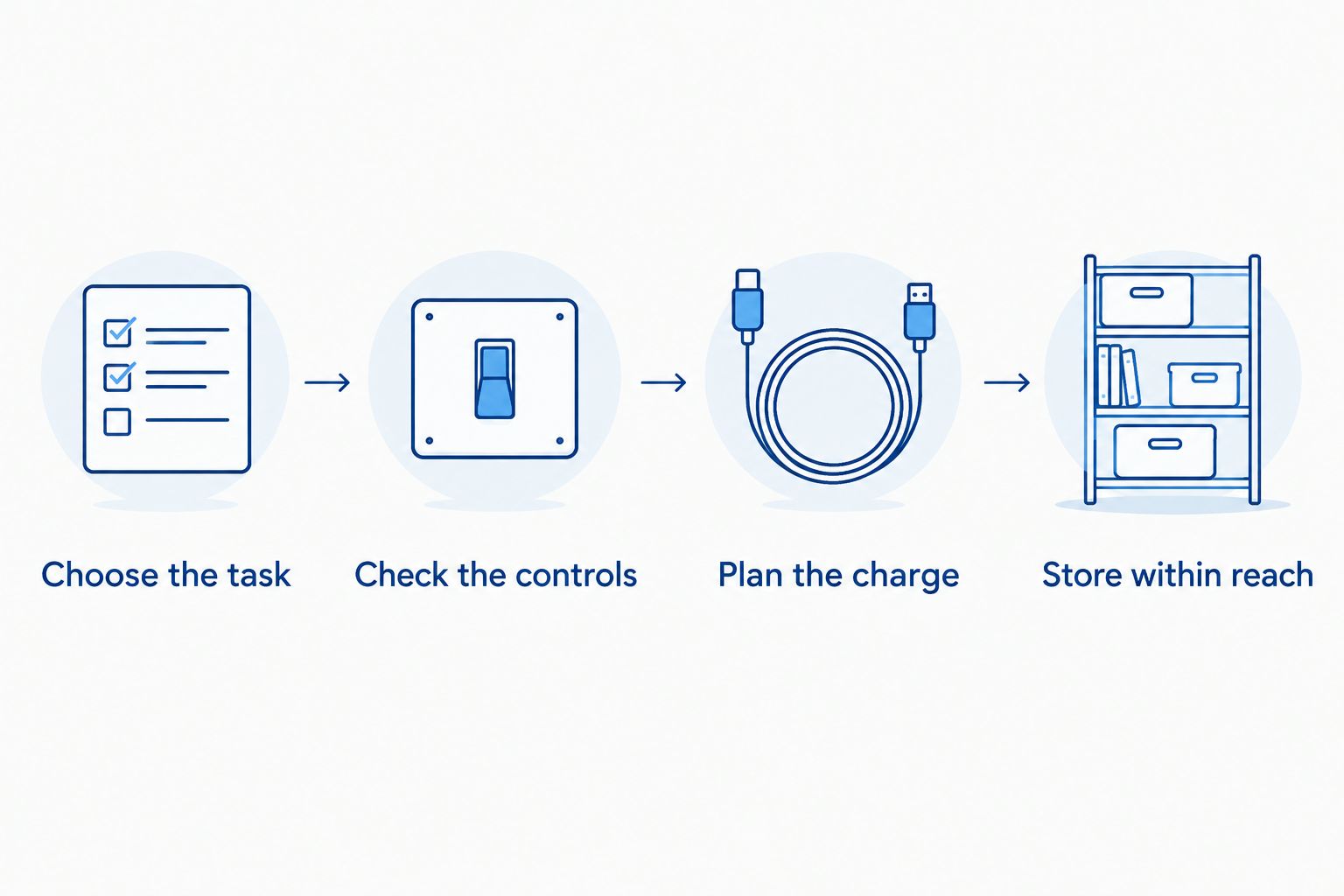
Build a lighting routine you can repeat
A useful 2026 backup-lighting routine starts before darkness. Decide where each light belongs and make sure everyone who needs it can operate it.
- Choose the task. Decide whether your first priority is movement, hands-free work or shared-room lighting.
- Check the controls. Practise switching on, lowering output and switching off without searching through modes.
- Plan the charge. Keep the correct cable and permitted charging equipment with the light or in a known place.
- Store within reach. Use a consistent location that is accessible when the room is dark.
Treat these as household habits, not product features. A suitable light left flat in an unknown drawer is less useful than a modest light that is charged, familiar and easy to find.
Which load shedding flashlight should you choose?
Choose a rechargeable handheld torch if you are undecided and mainly need to move around your home. Choose a headlamp first if hands-free work is the priority, or a camping lantern first if you mainly need shared light in one room.
Avoid buying several lights with the same limitation. If your existing torch already handles outdoor checks, another narrow-beam torch does not solve the need for comfortable light around the table. Add the missing function instead.
Choose your household lighting format
Compare torches, headlamps and camping lanterns around the tasks you need to cover.
FAQ
What's the best load shedding flashlight for home use?
A rechargeable handheld torch is the default for moving around your home and directing light at specific places. Choose a headlamp for hands-free work or a camping lantern for shared-room lighting.
Is a headlamp better than a handheld torch during load shedding?
A headlamp is better for tasks that require both hands. A handheld torch lets you aim the beam independently of your head, which suits checking particular places.
How many lumens do I need for load shedding?
There is no single lumen requirement for every household task. Compare the beam pattern, available low settings and runtime at the output you intend to use rather than choosing on maximum lumens alone.
Can I charge a rechargeable torch from a power bank?
Use a power bank only when its output and connection meet the torch manufacturer's charging requirements. Check the required cable and instructions; rechargeable does not automatically mean any USB charging arrangement is suitable.
Should I choose a torch with a removable battery?
Choose a removable battery if manufacturer-approved replacement is important to your plan. Confirm the exact battery requirements, because similar-looking cells are not automatically interchangeable.
Can a camping lantern replace a flashlight?
A camping lantern can replace a handheld torch for some stationary, shared-room activities. It is less suited to directing a beam at a particular distant spot or making quick checks outside.
What should I check before buying a rechargeable torch?
Check runtime at your intended output, beam pattern, controls, charging requirements and battery replacement instructions. TorchSA's load shedding flashlight guide recommends choosing the lighting format before comparing individual models.
One last thing
Your first useful test is not a maximum-brightness demonstration. Turn the light to a modest setting and complete the actual task: find the stairs, read the label or prepare the work surface.
For your 2026 household plan, choose the lowest setting that lets you do the job clearly, then check the documented runtime for that setting. That connects the specification to something you actually need.