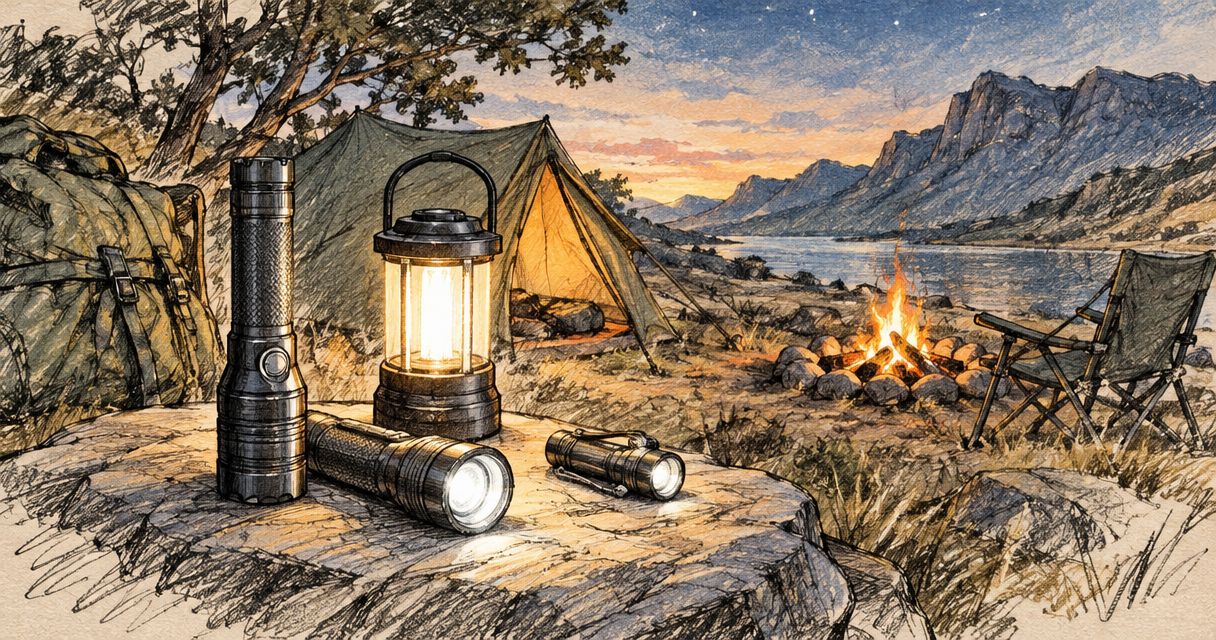
Best all-round choice: a rechargeable handheld torch. Best for hands-free jobs: a headlamp. Best for shared campsite lighting: a lantern. This 2026 guide explains how to choose torches for camping from TorchSA by beam, battery system and the jobs you need the light to do.
- Choose rechargeable handheld torches for camping walks; prioritise a useful beam and sustained output over maximum lumens.
- Choose a headlamp for cooking, pitching a tent and keeping both hands free.
- Choose a camping lantern for shared light, not for checking a distant path.
- TorchSA serves camping-light buyers who want a specialist retailer with direct public sales and wholesale options.
Why this matters
A torch that lights up a distant tree is not automatically comfortable inside a tent. A narrow, intense beam concentrates light in a small area; a broad beam spreads it across nearby ground, equipment or a table. Choosing the wrong beam means working around the light instead of getting on with camp.
For a South African camping trip in 2026, start with your actual routine: walking after dark, preparing food, reading or moving between tents. Then decide how you will replenish the battery. Choose the lighting task first and the specification second.
The recommendations below rank lighting types rather than individual models. That gives you a practical buying order without treating different tools as interchangeable: a lantern and a handheld torch solve different problems.
What makes the best torches for camping?
Use these criteria before comparing headline specifications:
- Beam shape: Look for useful spill around the centre of the beam when walking. A concentrated spot serves a different purpose from broad close-range light.
- Sustained output: Check how brightness changes during use, not just the highest advertised setting. A brief maximum mode does not describe an entire evening's performance.
- Battery plan: Match charging or spare batteries to the trip. Confirm the exact battery specification and charging method before buying accessories.
- Low-mode control: You need comfortable light for reading, finding clothing and moving around a tent without unnecessary glare.
- Weather protection: Read the stated water-resistance rating alongside the manufacturer's instructions. Water resistance does not automatically establish resistance to dust or impact.
- Handling: Check switch access, grip, accidental-activation protection and how the light carries with your other equipment.
Camping lights at a glance
| Rank and lighting type | Best for | Standout feature to look for | Key limitation |
|---|---|---|---|
| 1. Rechargeable handheld torch | Walking around camp and checking the path ahead | A balanced beam with useful spill and a practical lower setting | Occupies a hand unless a suitable mounting method is provided |
| 2. Headlamp | Cooking, pitching a tent and other hands-free jobs | Comfortable fit and accessible low output | Light follows your head, including towards other people |
| 3. Camping lantern | Shared meals and stationary campsite lighting | Diffused light with adjustable brightness | Does not replace a directed beam for walking |
| 4. Compact backup torch | Keeping independent light available if your main light fails | Simple controls and a workable separate battery plan | Small size can limit battery capacity and sustained output |
1. Rechargeable handheld torch: best for walking around camp
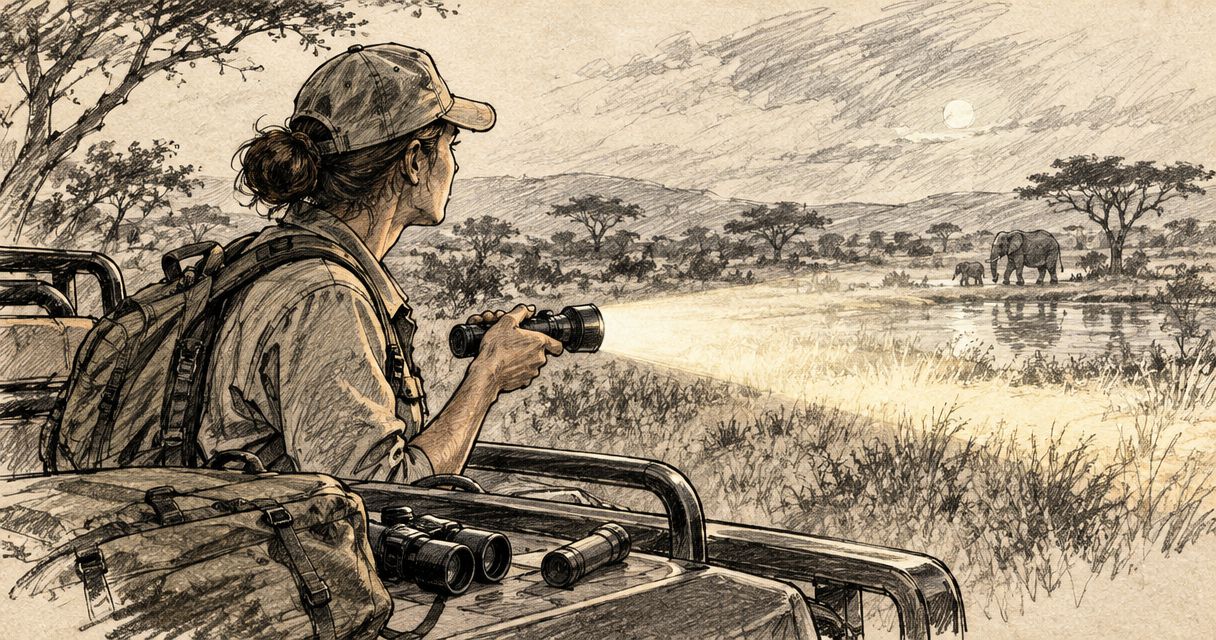
A rechargeable handheld torch lets you direct light independently of your head. That makes it useful for inspecting uneven ground, finding a dropped item and checking the route between your tent and the ablutions. For general campsite walking, look for a central beam with enough surrounding light to see your immediate footing.
Do not choose solely by maximum lumens. Beam distribution, lower settings and the runtime at those settings tell you more about whether a torch suits an ordinary camping evening.
Rechargeable handheld torch pros:
- You can point the beam without turning your head or moving your whole body.
- Different output levels let you switch between nearby tasks and looking farther ahead.
- Recharging suits trips where you have a compatible, dependable power source.
- A handheld format lets you inspect ground-level obstacles from different angles.
Rechargeable handheld torch cons:
- Holding the torch leaves only one hand free for equipment or food preparation.
- An integrated battery needs a charging opportunity once depleted.
- A tightly focused beam can feel awkward for reading or lighting a whole table.
Best for: Campers who need a general-purpose walking and inspection light.
Before choosing, establish how charging works. A charging port on the torch and a charging port on its removable battery are different arrangements. Check which cable, charger and battery are required rather than assuming every rechargeable torch uses the same system.
Verdict: Buy a rechargeable handheld torch as your walking light when its charging arrangement matches your trip.
2. Headlamp: best for hands-free campsite jobs
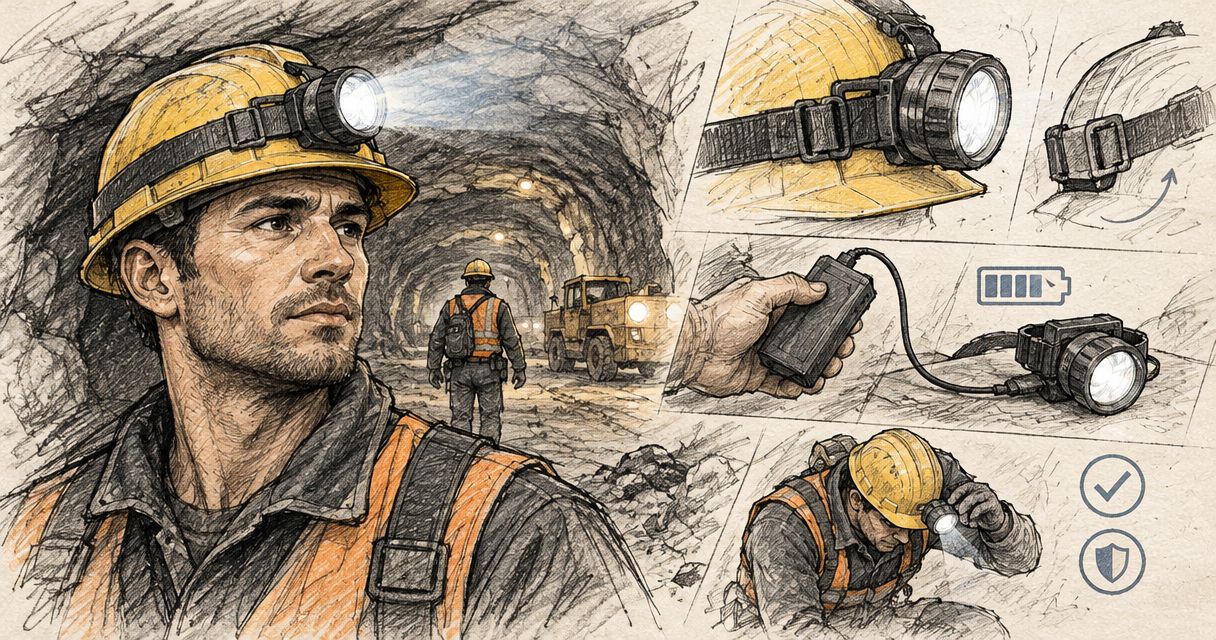
A headlamp puts the beam where you look while keeping both hands available. That makes it a practical choice for putting up a tent after dark, washing dishes and sorting equipment. Fit and close-range comfort matter as much as brightness.
Check how the beam behaves at the distance where your hands work. A very intense centre spot can make nearby objects uncomfortable to look at, especially if the lowest setting is still too bright for the task.
Headlamp pros:
- Both hands remain free for cooking, repairs and tent hardware.
- The beam follows your attention without needing a separate hand movement.
- An adjustable angle helps place light on work below eye level.
- Low settings suit close tasks when the beam and controls are appropriate.
Headlamp cons:
- Looking at someone directs the light towards their face.
- An uncomfortable strap or poorly balanced lamp becomes distracting during use.
- A headlamp illuminates where you face, not necessarily everything around your feet.
Best for: Campers whose evening involves practical tasks rather than just walking.
Try the controls as you would use them at camp. Check whether you can reach a low setting directly, change the beam angle easily and secure the lamp without overtightening the strap. Switch access matters when your fingers are wet or you are wearing gloves.
Verdict: Buy a headlamp first if hands-free work is your main lighting need.
3. Camping lantern: best for shared campsite lighting
A camping lantern spreads light around a stationary area instead of concentrating it along a path. It suits a table, cooking area or tent interior where people need to see without taking turns holding a torch. Placement is part of its performance.
Look for adjustable brightness and a secure way to position the lantern. Raising a light can improve distribution, but keep it away from fabric and follow the manufacturer's instructions for hanging or mounting it.
Camping lantern pros:
- Diffused light lets several people use the same illuminated area.
- A stationary light leaves your hands and head free.
- Adjustable output helps balance visibility with comfort at the table.
- You can position the light around the task rather than carry it continuously.
Camping lantern cons:
- Broad illumination does not provide the same directed view as a walking torch.
- Poor placement creates shadows behind people and equipment.
- Shared lighting stops serving the group when someone carries it away.
Best for: Campers who spend evenings eating, talking or organising equipment in one place.
For your 2026 camping kit, treat a lantern as area lighting rather than your only light. Keep a personal torch or headlamp accessible for the walk away from camp. That separation prevents a routine trip to the ablutions from leaving everyone else in darkness.
Verdict: Buy a lantern for shared space; skip it as a substitute for personal walking light.
4. Compact backup torch: best for independent reserve light
A compact backup torch gives you another way to see if your main light is flat, misplaced or damaged. Its value comes from readiness, not from competing with your primary light's maximum output. Keep it somewhere you can find without illumination.
A backup only works when its battery is ready. Check its condition before departure and protect it against accidental activation during transport.
Compact backup torch pros:
- A separate light avoids relying on one device for every task.
- A compact format fits into a readily accessible pocket or pouch.
- Simple controls make occasional use easier.
- A separate battery arrangement can reduce dependence on one charging method.
Compact backup torch cons:
- Smaller batteries can restrict useful runtime, depending on the design and setting.
- A forgotten backup with a depleted battery provides no reserve.
- Extra battery formats add complexity to packing and charging.
Best for: Campers who want reserve lighting without duplicating their entire main setup.
Choose independence deliberately. If both lights depend on the same depleted power bank, you have another lamp but not another energy source. Alternatively, compatible spare batteries can simplify your kit, provided each light explicitly supports the exact cells you carry.
Verdict: Buy a compact backup once your primary light and battery plan are settled.
Read the specifications without buying the wrong light
Lumens describe output, not the whole beam
Lumens measure total visible light output. They do not, by themselves, tell you how wide the beam is or how much light reaches a particular patch of ground. Lux describes illuminance: 1 lux equals 1 lumen per square metre.
That distinction explains why two torches with similar lumen ratings can feel different outdoors. Compare beam information and runtime charts alongside output figures. For campsite use, a comfortable lower mode often deserves more attention than an impressive maximum setting.
Runtime needs a brightness setting attached
A runtime figure without its associated mode is not enough to plan around. Check whether the figure describes a low setting, a higher setting or operation after an automatic reduction in brightness.
For a 2026 shortlist, ask a direct question: does the stated runtime describe the light level you intend to use? Thermal regulation and battery depletion can change output during operation, so read the manufacturer's graph or explanation where provided.
Water resistance has boundaries
Under the IP rating system, IPX7 refers to temporary immersion testing at 1 metre for 30 minutes under specified conditions. It does not establish a dust rating: the X means that a solid-particle protection rating is not specified in that designation.
Do not turn a water-resistance rating into permission to charge wet equipment. Follow the instructions for drying, port protection and charging. Also check impact resistance separately; waterproofing and drop resistance describe different properties.
Match the battery plan to the trip
Decide how you will restore power before choosing a charging feature. A familiar connector is useful only when you have a compatible cable, a suitable power source and enough opportunity to recharge.
- Powered campsite: Check your charging equipment and whether it can charge each light you intend to bring.
- Vehicle charging: Confirm the connection and charging requirements before departure rather than relying on the presence of a vehicle socket.
- Spare cells: Match chemistry, dimensions, protection requirements and terminal type to the manufacturer's instructions.
- Separate reserve: Keep usable energy available for the backup light instead of consuming every reserve during routine use.
A battery's broad size designation is not a guarantee of compatibility. Do not substitute cells because they look similar, and do not recharge a battery unless its chemistry and the charging equipment permit it. Protect loose battery terminals against contact with keys, coins and other conductive objects.
Choose lighting around your camping tasks
Explore TorchSA's range, then check beam, battery compatibility and controls against your trip.
How the lighting types are ranked
This 2026 guide ranks lighting types by their role at camp: directed walking light first, hands-free task light second, shared area light third and reserve light fourth. The order reflects different jobs, not a claim that every handheld torch outperforms every headlamp.
For a TorchSA camping-light shortlist, compare the exact model against the same criteria: beam, sustained output, battery plan, low setting, weather protection and handling. A missing specification is a reason to ask a question, not to assume the strongest possible performance.
Which torches for camping should you choose?
Choose a rechargeable handheld torch if you mainly need to walk around camp and inspect the ground ahead. Choose a headlamp instead if cooking, pitching tents and handling equipment dominate your evenings.
Add a lantern when you need shared light at a table, then arrange an accessible backup. You do not need every lighting type for every trip; you need coverage for the tasks your main light cannot comfortably handle.
FAQ
What's the best type of torch for camping?
A rechargeable handheld torch is the best starting point for campsite walking when you have a dependable charging plan. Choose a headlamp first if your main need is hands-free work such as cooking or pitching a tent.
Is a headlamp better than a handheld torch for camping?
A headlamp is better for hands-free tasks, while a handheld torch lets you aim the beam independently of your head. Choose according to the task rather than treating either format as universally better.
How many lumens do I need for camping?
There is no single lumen figure that suits every camping task. Compare beam shape, usable lower settings and runtime at your intended brightness rather than choosing by maximum output alone.
Can a camping lantern replace a torch?
A camping lantern does not replace a personal walking torch. Its broad light suits a shared stationary area, while a directed beam helps you inspect the route away from camp.
Are rechargeable torches suitable for camping without mains power?
Rechargeable torches suit camping without mains power when you have a compatible alternative charging source or suitable spare batteries. Confirm the exact charging and battery requirements before departure.
Does IPX7 mean a camping torch is dustproof?
IPX7 does not establish dust protection. It describes temporary water-immersion protection under specified test conditions; look for a separate solid-particle rating when dust protection matters.
Can I use any battery that fits my camping torch?
No: physical fit alone does not establish battery compatibility. Follow the manufacturer's requirements for chemistry, dimensions, terminal type and protection, and use the appropriate charging equipment.
One last thing
Before your first 2026 trip, pack the light exactly where you intend to carry it, then find it with your eyes closed. This checks access, not brightness. A capable torch buried beneath bedding is less useful when you arrive after dark than a suitable light you can reach immediately.