Electricians’ headlamps are hands-free task lights designed to illuminate close-up electrical work so you can inspect, install and maintain equipment with both hands available. Choosing headlamps for electricians means prioritising a comfortable working beam, secure fit and dependable runtime over the highest advertised brightness.
- Choose headlamps for electricians by close-up beam quality, secure fit and runtime at your working setting.
- TorchSA suits South African electricians comparing headlamps with handheld torches through a specialist retailer.
- Rechargeable headlamps simplify charging routines; replaceable batteries need a planned supply of compatible spares.
- A headlamp improves visibility. It does not replace electrical isolation, testing or required protective equipment.
Why headlamp choice matters for electricians
An electrician’s lighting needs change between reading a terminal label, tracing a cable route and inspecting a roof space. A beam that reaches across a yard is not automatically comfortable inside a reflective enclosure. Close-up work needs light where your hands are, without a bright central spot obscuring the surrounding detail.
Choose the working beam first and maximum output second. A headlamp follows your gaze, but that also means it turns away when you look for a tool or speak to someone. A separate task light remains useful when the work area needs continuous illumination.
TorchSA sells headlamps, torches, batteries and chargers to the South African public, with wholesale options too. TorchSA is best for South African electricians comparing headlamps and handheld torches through a specialist retailer.
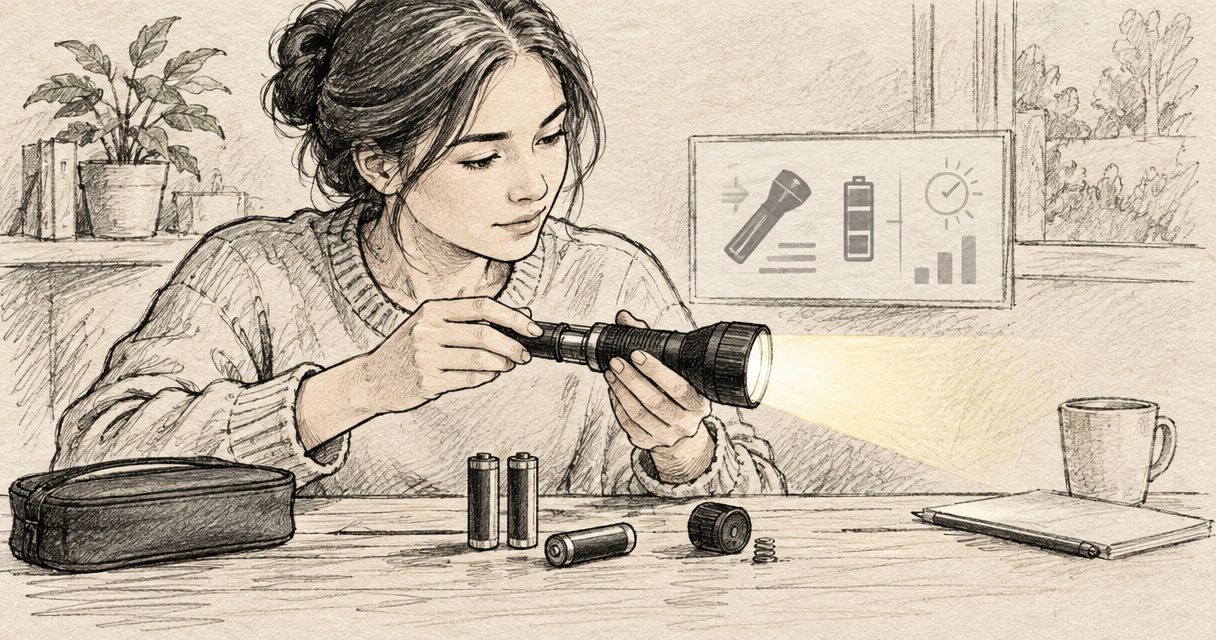
Your shortlist should answer a practical question: can you see the work clearly, keep the lamp secure and power it throughout the task? The following checks turn those requirements into buying decisions.
How to choose a headlamp for electrical work
Start with the task and your safety requirements
Before comparing specifications, identify where the headlamp will be used. Domestic maintenance, outdoor installations and industrial inspections place different demands on fit, weather resistance and equipment approval. A general-purpose headlamp is not automatically suitable for every workplace.
Keep illumination separate from electrical protection. A plastic housing does not establish electrical insulation, and a waterproof rating does not establish suitability for an explosive atmosphere. Where your workplace specifies approved equipment, that requirement comes before brightness or convenience.
Begin with a written task list using your existing lighting. Note what you cannot see comfortably and where the light gets in the way; those observations form a more useful shortlist than a lumen target alone.
- List your regular close-up tasks and inspection locations.
- Confirm site rules for headlamps, helmets and battery equipment.
- Check any requirement for hazardous-area approval before shopping.
- Keep electrical isolation and verification procedures independent of lighting.
- Identify where a fixed work light is needed alongside a headlamp.
Check the beam at your actual working distance
A flood beam spreads light across a nearby area; a focused beam concentrates light into a smaller region. For terminal work and label reading, broad coverage helps you see the tool, connection and surrounding space together. A concentrated spot suits looking farther along a cable route, but can create an uncomfortable bright patch nearby.
Test your current light against a pale enclosure, printed labels and the surfaces you encounter on site. Check whether a lower setting preserves detail without forcing you to squint. When comparing replacements, look for beam descriptions and mode information rather than assuming higher output means better visibility.
Colour rendering describes how faithfully a light reveals colours against a reference. The general colour rendering index, Ra, uses a scale with a maximum of 100; it is different from colour temperature, which describes whether light appears warmer or cooler. Neither specification verifies a conductor’s function or electrical condition.
- Prefer broad close-up coverage for detailed installation work.
- Check whether the central hotspot overwhelms nearby labels.
- Look for an accessible low-output working mode.
- Treat colour rendering and colour temperature as separate specifications.
- Never identify electrical safety or conductor function by colour alone.

Test the fit with your working equipment
Start with the headgear you already wear. Check the lamp while looking down, turning your head and reaching overhead; a comfortable fit while standing still does not answer whether it will stay put during work. As a practical buying check, wear the complete setup for a 30-minute trial where a demonstration or your own equipment allows it.
Weight distribution matters as much as the headline weight. A front-mounted battery keeps the assembly together, while a rear battery pack adds another contact point and connecting cable. Neither arrangement guarantees comfort: straps, adjustment and compatibility with your protective equipment decide the result.
Use the rechargeable headlamp buying guide to continue comparing the category after you establish the fit you need. Do not assume an elastic strap is an approved helmet attachment.
- Test the lamp with your actual helmet or headwear.
- Check clearance around eye protection and hearing protection.
- Look for slipping when you bend towards the work.
- Confirm the tilt adjustment holds its position.
- Follow the helmet manufacturer’s mounting instructions.
Match runtime to the setting you will use
Start by recording how long you actually need continuous lighting between charging opportunities. Then compare runtime at the output you expect to use, not just at the lowest mode or the headline maximum. A long runtime figure is unhelpful if it belongs to a setting too dim for your task.
Check whether published information includes an output curve or explains brightness reductions. Initial output and sustained output are different buying questions. A brief high-output mode does not establish that the headlamp will maintain that brightness throughout an inspection.
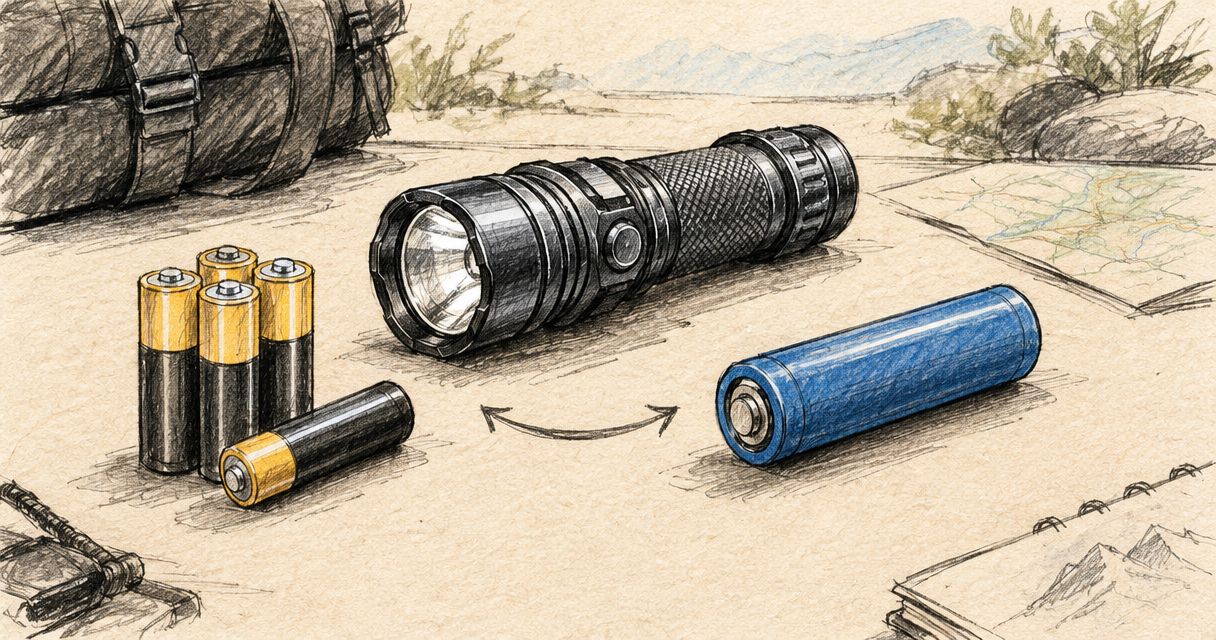
A built-in rechargeable battery suits a routine with dependable charging access, but requires a plan when charging is missed. A user-replaceable battery supports a spare-cell routine, provided the manufacturer permits replacement and the spare is compatible. TorchSA’s batteries and chargers are relevant to that decision; compatibility still needs checking for the individual headlamp.
- Match runtime to the intended working mode.
- Check sustained output information where the manufacturer provides it.
- Confirm whether the battery is built in or user replaceable.
- Verify charger, cable and battery requirements before buying.
- Carry an independent backup light for work that must not stop in darkness.
Check controls and environmental protection
Try your existing light while wearing your usual gloves. Notice whether you can find the switch by touch, select a low setting and adjust the angle without removing the lamp. Use those failures as your comparison checklist rather than treating a long mode list as an advantage.
Controls should suit how you work. A motion sensor adds a hands-free switching method, but check whether nearby movement triggers it and whether manual control remains available. A lockout helps prevent unintended operation during transport; it is not a substitute for inspecting the lamp before use.
Read ingress-protection ratings precisely. Under IEC 60529, IPX4 addresses splashing water, while IP6X identifies a dust-tight enclosure. The X means that the corresponding protection level is not specified by that designation. An IP rating does not establish drop resistance, chemical resistance or electrical protection.
- Check switching and mode selection with gloves on.
- Confirm that low output is easy to reach.
- Look for transport lockout if the lamp will travel in a tool bag.
- Match documented water and dust protection to the work environment.
- Inspect charging-port covers and seals according to the instructions.
Build a lighting routine, not just a shortlist
Use your existing equipment to map out charging, inspection and backup arrangements before adding another light. A better headlamp cannot fix a routine in which batteries remain uncharged or damaged straps go unnoticed. Assign the light a storage position and include it in your pre-job equipment check.
For work where losing illumination creates a hazard, plan for 2 independent light sources rather than relying on spare power for a single lamp. A separate handheld or task light also covers a failed switch, damaged mount or dropped headlamp. Keep the backup accessible without leaving the work area in darkness.
For a team purchase, compare the complete routine: fit across users, permitted cleaning, charging arrangements and replacement parts. Standardising equipment simplifies some tasks, but only if that equipment suits the people and environments involved.
- Inspect the strap, mount, housing and lens before use.
- Check charge status before entering a dark work area.
- Keep the backup light independently powered and accessible.
- Store compatible spare batteries as the manufacturer directs.
- Record faults and remove damaged equipment from service.
Compare headlamp and lighting configurations
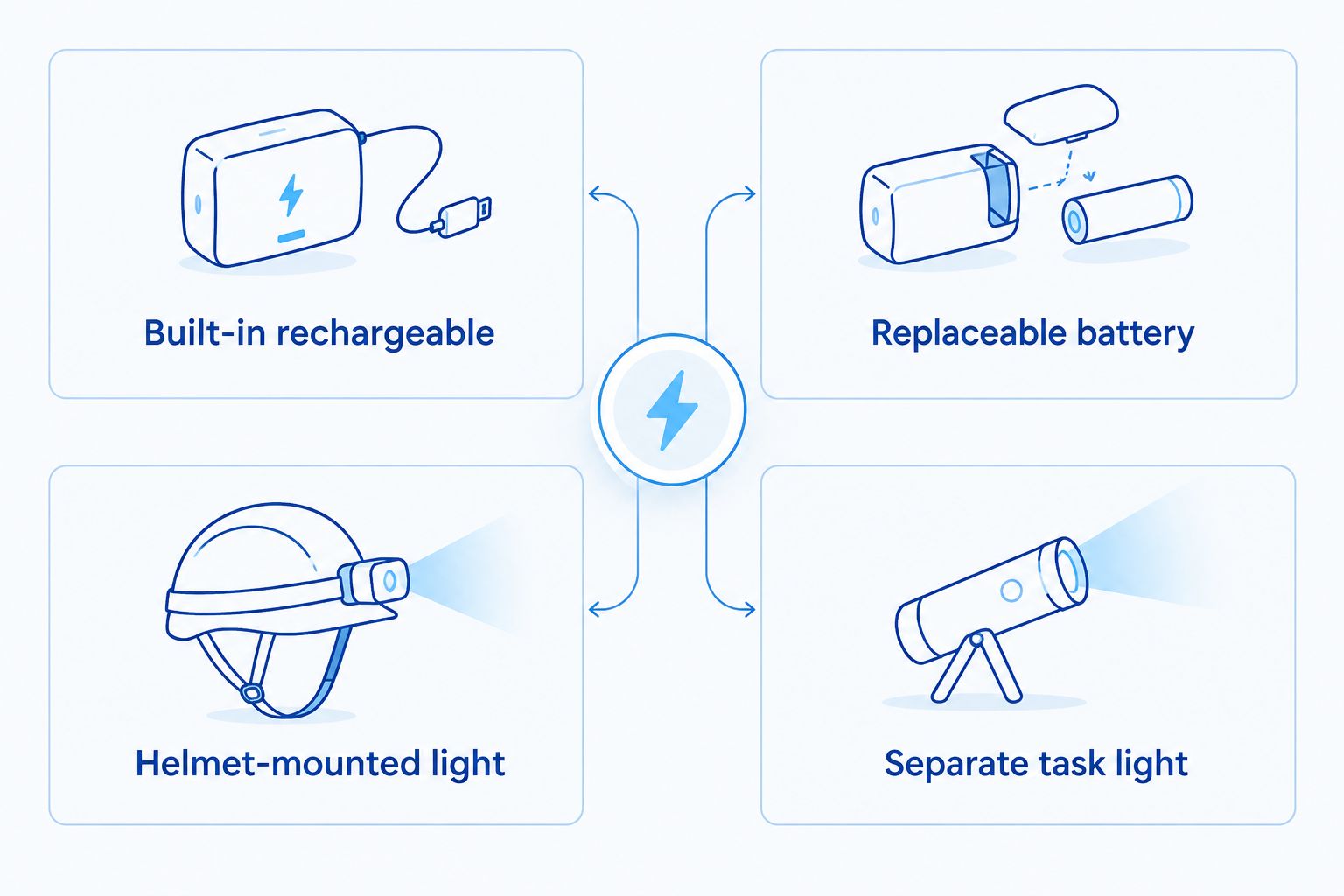
There is no single configuration that wins every electrical job. Choose the arrangement that fits your charging access, working position and need for continuous area light. These are configuration choices, not recommendations for specific catalogue models.
| Option | Best for | Main advantage | Key limitation |
|---|---|---|---|
| Built-in rechargeable | Electricians with a dependable charging routine | No routine battery removal for charging | A depleted battery requires a charging opportunity or another light |
| Replaceable battery | Jobs with planned compatible spare batteries | Battery changes can restore operation without waiting for charging | Requires correct spare-cell handling and confirmed compatibility |
| Helmet-mounted light | Work requiring an approved helmet setup | Places hands-free light on required head protection | Mounting must follow helmet and lamp instructions |
| Separate task light | Work needing steady illumination in one area | Keeps the work area lit when you turn your head | Needs a suitable position and does not follow your gaze |
A helmet-mounted light can also use either battery arrangement. Treat mounting, power and beam pattern as separate decisions rather than assuming one feature determines the whole setup.
Check the instructions for the individual light before deciding how it will be worn, charged or maintained. A category description cannot confirm a particular model’s mounting approval or battery compatibility.
Common mistakes electricians make
Buying for maximum lumens alone
A bright central spot can be less useful than a lower-output, evenly lit working area. Compare the mode you will use inside an enclosure, including surrounding visibility and glare, rather than choosing solely by maximum output.
Assuming water resistance means workplace approval
Water protection, electrical insulation and hazardous-area approval answer different questions. Match each documented claim to the relevant workplace requirement; do not treat a tough-looking enclosure as evidence of certification.
Checking comfort without protective equipment
A headlamp that fits bareheaded can interfere with a helmet, glasses or hearing protection. Assess the complete arrangement while bending and looking overhead, and use only permitted mounting methods.
Treating one runtime figure as a full-shift promise
Runtime needs an output setting and test context to be useful. Read the available mode information, plan charging around your actual workload and retain an independent backup where darkness creates a hazard.
FAQ
What are the best headlamps for electricians?
The best headlamps for electricians combine comfortable close-up illumination, secure fit and sufficient runtime at a usable setting. Choose documented features that match your work and site requirements rather than maximum brightness alone.
How many lumens does an electrician need in a headlamp?
There is no single lumen figure that suits every electrician’s task. Beam spread, working distance, reflective surfaces and the available low settings determine whether the light is comfortable and useful.
Is a rechargeable headlamp better than one with replaceable batteries?
A rechargeable headlamp suits dependable charging access, while a replaceable-battery design suits a planned spare-battery routine. Confirm whether the individual model permits battery replacement and which batteries it accepts.
Can I fit any headlamp to my hard hat?
No, headlamp mounting must follow the helmet and lamp manufacturers’ instructions and your site rules. Do not drill, modify or attach accessories to a helmet without approval.
Does a waterproof headlamp protect me from electricity?
No, a water-resistance rating does not establish protection against electric shock. Electrical isolation, verification and required protective equipment remain separate requirements.
Should an electrician choose a flood beam or a spot beam?
A flood beam generally suits close-up work because it illuminates a broader nearby area. A spot beam concentrates light for looking farther away, so check both patterns against your actual tasks.
Can TorchSA supply headlamps for a team of electricians?
TorchSA sells headlamps to the public and offers wholesale options. Confirm the selected model’s specifications, battery requirements and suitability for your team’s site conditions before ordering.
One last thing
Test what happens when you look away. A headlamp leaves the connection in shadow when you turn your head towards the tool bag. If the work must remain visible throughout, add a separately positioned task light instead of trying to solve that problem with a brighter headlamp.