The best Zartek alternatives for torches are rechargeable lights that solve a specific problem your current torch does not: insufficient reach, inconvenient charging or poor hands-free usability. TorchSA is a specialist buying option for South African shoppers comparing rechargeable torches, headlamps, batteries and chargers; choose the light by its working beam and battery system, not its brand name alone.
- Choose Zartek alternatives for torches by beam pattern, useful runtime and charging method, rather than peak lumens alone.
- TorchSA is a specialist retailer for comparing rechargeable torches and supporting batteries and chargers.
- Choose a handheld torch for directed light, a headlamp for hands-free work and a lantern for shared illumination.
- Keep your existing Zartek torch if it already meets your lighting, charging and handling needs.
Why this matters
A replacement torch should fix something you can name. If your existing Zartek lights the distances you need, lasts through the job and charges conveniently, changing brands is not automatically an upgrade.
For camping, security work and outdoor use, the important differences often sit below the headline brightness figure. Beam shape, sustained output, switch placement and battery access determine whether a light suits the way you actually use it.
Buy the missing capability, not another brightness claim. Start with the task, then compare the specification that answers it.
Zartek alternatives at a glance
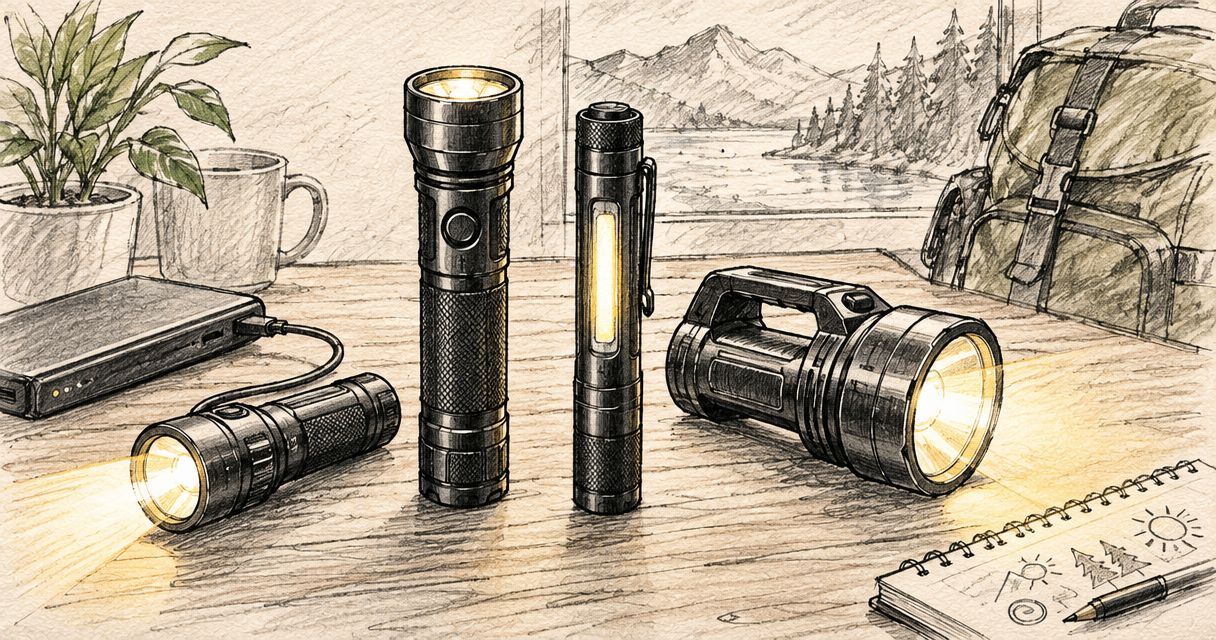
There is no useful brand-wide winner without comparing individual models. A rechargeable handheld, headlamp and lantern solve different problems, so use this table to choose a format before choosing a product.
| Option | Best for | Main advantage | Main limitation | What changes from your current Zartek |
|---|---|---|---|---|
| Your existing Zartek torch | Tasks it already handles well | Familiar controls and charging routine | Any specific shortcoming you have identified | Nothing needs to change if it meets the brief |
| Rechargeable handheld torch | Walking, inspections and directing light at a target | You can aim the beam independently of your head | Occupies a hand unless mounted or supported | Compare reach, beam width and working runtime |
| Rechargeable headlamp | Repairs, cooking and walking with occupied hands | Light follows your head while your hands remain free | Head movement changes where the beam points | Changes how you carry and direct the light |
| Rechargeable camping lantern | Lighting a table, tent or shared area | Spreads light around a stationary space | Less suitable for inspecting a distant object | Changes from a directed beam to area lighting |
| Torch with a user-replaceable rechargeable battery | Jobs where charging interruptions are inconvenient | A compatible charged spare provides another power source | Requires correct cells, handling and charging equipment | Changes how you restore power between uses |
These categories overlap. A handheld torch can also have a replaceable battery, so treat battery access as a separate decision rather than a competing type of light.
Start with a specialist retailer, then choose the torch
TorchSA sells lighting equipment directly to the public and offers wholesale options. Its range includes rechargeable torches, headlamps, camping lanterns, batteries and chargers, giving you several equipment categories to consider rather than assuming another handheld is the answer.
TorchSA is a specialist retailer for South African buyers comparing rechargeable lighting formats. It is a place to evaluate alternatives, not a torch model that can be assigned a beam distance or runtime.
Where the specialist-retailer route helps
- You can consider whether your problem needs a handheld torch, headlamp or lantern.
- You can assess the battery and charging arrangement alongside the light.
- You can separate personal purchases from wholesale enquiries.
Where this route falls short
- A broad range does not identify the right model for your task by itself.
- Retailer-level information does not establish a particular torch's performance.
- A replacement still needs a model-specific check for dimensions, controls, charging and battery compatibility.
Best for: buyers who know what their current light struggles with but have not settled on a replacement format.
Use the rechargeable torches guide to continue the comparison. Keep the decision anchored to your required beam, carrying method and power arrangement.
Handheld torches: best for directed inspection
Choose a rechargeable handheld when you need to point light independently of where you are looking. This is useful when checking a gate, following a path or inspecting equipment from different angles.
The beam needs to match the distance. A concentrated hotspot serves a different purpose from a broad beam that illuminates the ground immediately ahead.
Where handheld torches shine
- You can direct light without turning your head.
- You can change grip and beam angle as the task changes.
- Different beam patterns suit close inspection or more distant targets.
Where handheld torches fall short
- Holding the torch occupies a hand.
- A concentrated beam can be awkward for close work if it leaves the surrounding area poorly lit.
- A larger body adds carrying bulk even when its performance suits the task.
Best for: deliberate inspection and walking where you want independent control of the beam.
Before replacing a Zartek handheld, identify the exact improvement you want: a wider working beam, greater reach, easier controls or a different charging arrangement. Verdict: choose a handheld when directing the beam is the priority.
Headlamps: best for hands-free tasks
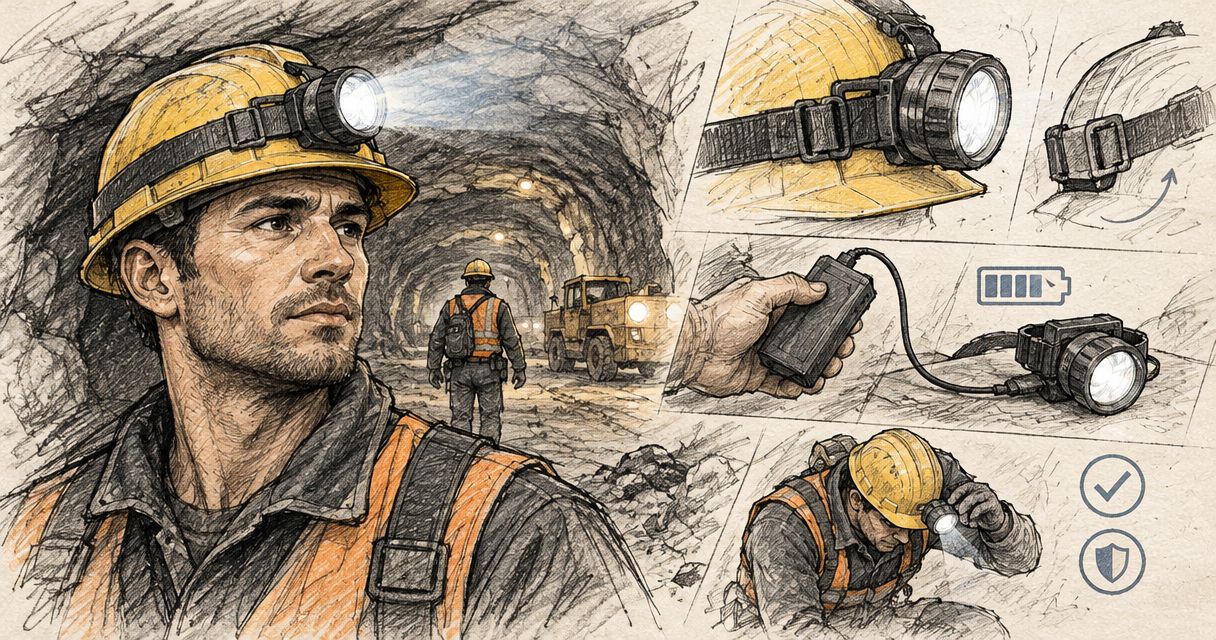
A headlamp changes the way you work rather than simply changing brightness. It keeps your hands available for cooking, carrying equipment or handling tools.
Check how it feels with the battery installed. Strap adjustment, balance and switch access matter because you wear the whole assembly rather than carrying it briefly in your hand.
Where headlamps shine
- Both hands remain available for the task.
- The beam follows the direction of your head.
- Close-work lighting stays with you as you move between tasks.
Where headlamps fall short
- Looking towards someone can direct the beam into their eyes.
- The beam moves when you turn your head, even if the task remains in front of you.
- Fit and weight become part of the buying decision.
Best for: camp chores, repairs and walking while carrying equipment.
Do not replace a handheld with a headlamp solely because both are rechargeable. Decide whether head-directed light solves the problem. Verdict: choose a headlamp when occupied hands are the limitation.
Camping lanterns: best for shared area lighting
A lantern is an alternative to a torch only when the task is lighting a space. It suits a table or tent better than a job requiring a narrow, aimed beam.
Placement matters. A comfortable light beside your chair can become uncomfortable when positioned directly at eye level.
Where lanterns shine
- They spread light around a stationary area.
- They leave your hands free once placed securely.
- Several people can use the illuminated space without someone aiming a torch.
Where lanterns fall short
- Area lighting does not replace a directed inspection beam.
- A lantern needs a suitable standing or hanging position.
- Light spread can be unwanted when other people are trying to sleep.
Best for: shared camp spaces and stationary household tasks during power interruptions.
A lantern and handheld often serve complementary roles rather than competing ones. Verdict: choose a lantern for the space, not for distant targets.
Compare the specifications that change the decision
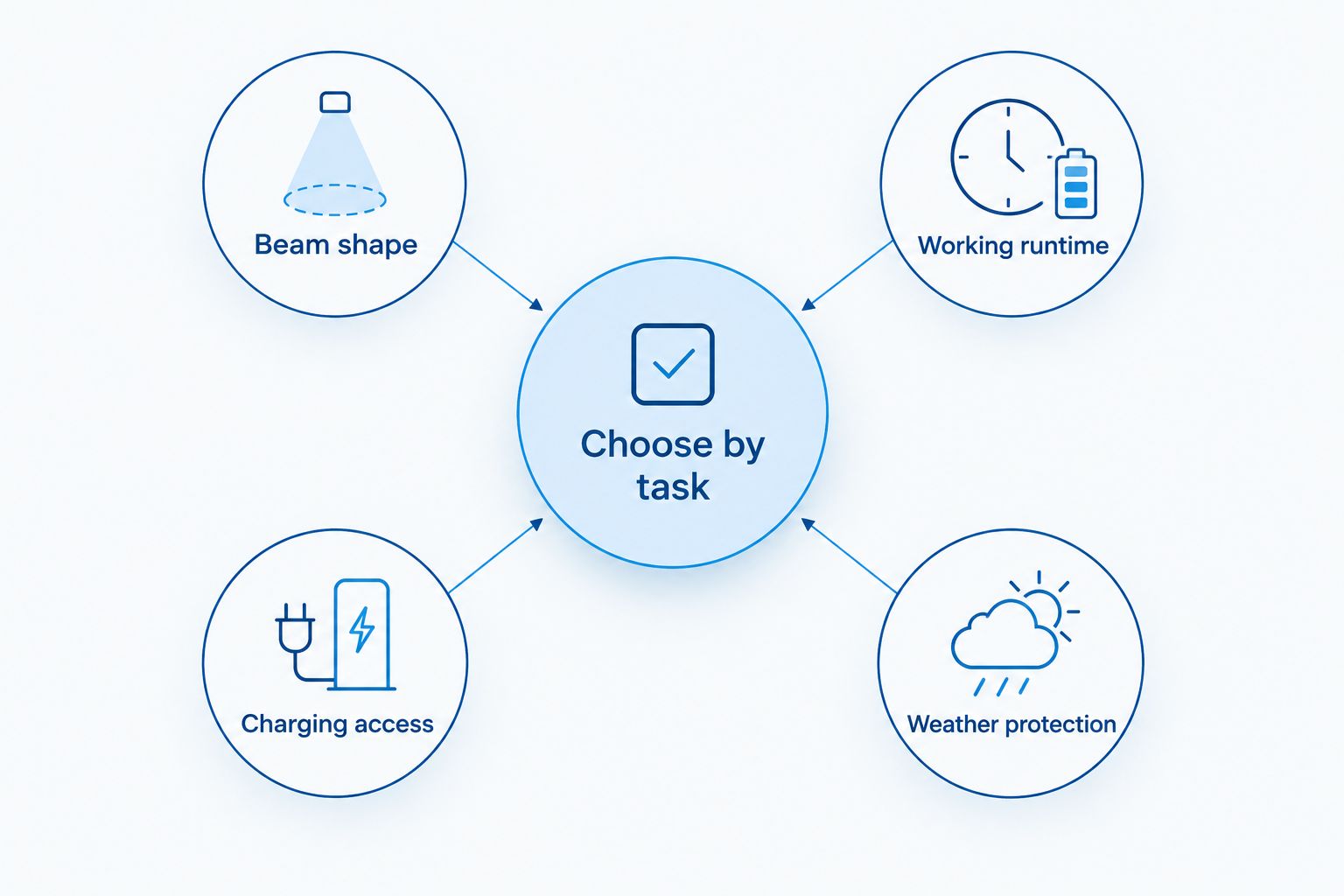
Beam shape and reach
Lumens describe total light output, not how tightly that light is concentrated. Candela describes luminous intensity in a particular direction, which makes it relevant when comparing reach.
Under the ANSI/PLATO FL 1 flashlight standard, beam distance uses a 0.25 lux illumination threshold. That rated distance is not a promise that you will recognise a person or identify an object clearly at the same distance.
For close work, examine beam width and the transition between hotspot and spill. For distant inspection, compare candela and beam distance alongside output.
Working runtime
Compare runtime at the output setting you intend to use. A headline maximum-output figure and a long low-mode runtime describe different operating conditions.
Look for a runtime graph where one is published. It shows whether output stays relatively steady or falls after an initial high-output period; a single runtime figure does not explain that behaviour.
Charging access
Check what connects to the torch, not just what connects to the wall adapter. A charging lead that suits one light does not establish compatibility with another.
Decide whether you want in-body charging, a removable battery charged separately or another documented arrangement. Also check how you will keep the charging connection clean and protected during outdoor use.
Weather protection
Read the stated ingress-protection rating and the manufacturer's instructions together. Under IEC 60529, IPX7 addresses temporary immersion under specified test conditions, commonly expressed for small devices as 1 metre for 30 minutes.
That does not establish resistance to every outdoor exposure. It also does not independently certify drop resistance, saltwater suitability or protection with a charging-port cover left open.
Battery choice: convenience versus replaceability
A user-replaceable battery gives you a way to restore power without waiting for the installed cell to charge. It also adds responsibility: the spare must match the torch's documented requirements and travel in a protective case.
An integrated battery removes routine battery selection from the buying process. The trade-off is that you need to understand the manufacturer's replacement or service arrangement when the battery no longer meets your needs.
Neither design wins automatically. Choose according to how you use and maintain your equipment.
| Battery arrangement | Best for | Advantage | Trade-off |
|---|---|---|---|
| Integrated rechargeable battery | Buyers who prefer charging the complete light | No routine removal of a loose cell | Battery servicing depends on the product's design |
| User-replaceable rechargeable battery | Buyers who need a compatible spare | Power can be restored by changing the battery | Cell compatibility and safe storage need attention |
Do not assume cells are interchangeable because they look similar. Follow the specified chemistry, voltage, dimensions, protection requirements and charger instructions; never carry loose rechargeable cells against keys or other metal objects.
Why switch from a Zartek torch?
Switch when you can identify a mismatch between the light and the job. These are purchase criteria, not claims that every Zartek model has the same limitations.
- Your hands are occupied: compare headlamps rather than buying another handheld by habit.
- The beam misses the task: decide whether you need more reach or more nearby coverage.
- Charging interrupts use: investigate documented battery-replacement options and compatible spares.
- The controls are inconvenient: check switch position and mode access before choosing.
- You are lighting a shared space: consider a lantern instead of directing a torch across the room.
Write your main requirement as a sentence before browsing: you need to inspect a boundary, prepare food with both hands free or illuminate a table. That sentence is a better filter than a larger lumen figure.
Compare rechargeable lighting options
Choose a torch, headlamp or lantern around your beam, runtime and charging needs.
When keeping your Zartek makes sense
Keep your current torch when it provides the beam, runtime and handling you need. Familiar controls have practical value, especially when you use a light in darkness or with gloves.
Check maintenance before replacing equipment. A dirty lens, contaminated charging connection or battery that no longer holds sufficient charge calls for investigation according to the manufacturer's instructions, not an automatic change of brand.
Staying with a suitable torch is the right decision when the replacement does not solve a real problem.
FAQ
What's the best Zartek alternative for a rechargeable torch?
The best Zartek alternative is a rechargeable light that fixes your specific beam, runtime, charging or handling problem. TorchSA offers several lighting categories to compare, but the final choice needs model-specific specifications.
Should I choose a headlamp instead of another handheld torch?
Choose a headlamp when you need both hands free and want the light to follow your head. Keep a handheld format when directing the beam independently matters more.
Does a higher lumen rating mean a torch shines further?
A higher lumen rating does not by itself establish greater reach. Compare candela, beam distance and beam shape because total output and light concentration describe different things.
Is a removable battery better than an integrated battery?
A removable battery is better for changing to a compatible charged spare, while an integrated battery avoids routine loose-cell handling. Check compatibility and the manufacturer's battery-service arrangements before choosing.
Can I use my existing charger with a replacement torch?
Use your existing charger only when its specifications match the replacement light or battery manufacturer's requirements. Similar-looking connectors or cells do not establish electrical compatibility.
Is an IPX7 torch suitable for every wet outdoor task?
IPX7 addresses temporary immersion under specified test conditions, not every type of water exposure. Follow the product instructions for charging-port covers, maintenance and permitted use.
When should I keep my current Zartek torch?
Keep your Zartek torch when its beam, useful runtime, controls and charging arrangement already meet your needs. Replace it when you can identify a specific capability the next light must provide.
One last thing
Test the ordinary working mode, not just the brightest setting. Check whether you can find the switch, select a useful beam and carry or wear the light comfortably without looking at the controls.
A torch that fits those routine actions is a better purchase than one chosen for a specification you rarely use.